




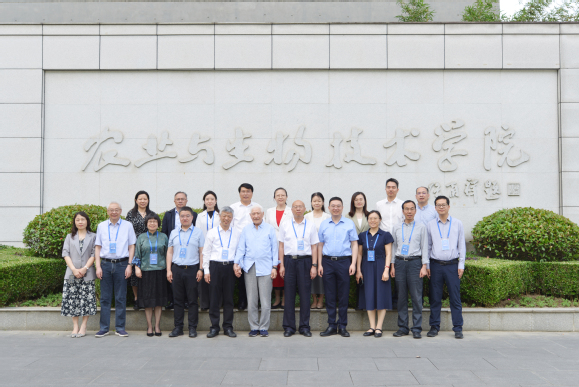
On May 12, entrusted by the China Atomic Energy Authority (CAEA), the China Nuclear Industry Education Society (CNIES) organized a panel of experts to conduct the peer review of the Chinese Government Atomic Energy Scholarship Program at Zhejiang University. The review team was led by Li Yongxiang, Deputy Secretary-General of the China Nuclear Industry Education Society.
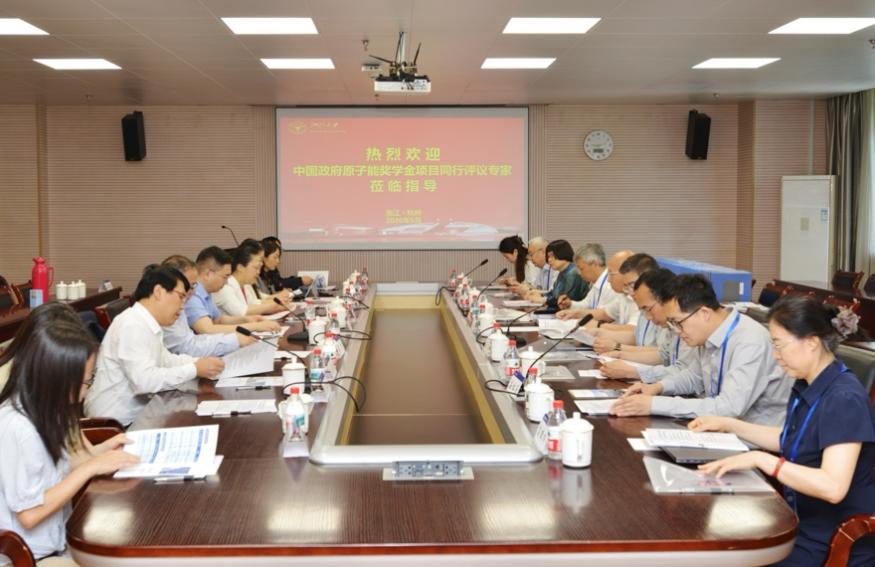
In the morning, the orientation meeting for the on-site peer review was held in Conference Room A216 of the College of Agriculture and Biotechnology. Gu Zhen, Assistant to the President of Zhejiang University, delivered a welcome address, extending a warm welcome and sincere appreciation to the review team for their guidance. He emphasized the significance of the review for the university's cultivation of international talent in the field of nuclear agriculture. He noted that Zhejiang University adheres to a student-centered educational philosophy, striving to cultivate students who not only excel in learning but also in innovation and creation. Taking this review as an opportunity, the university will further implement its Global Development Strategy, develop a distinctive talent cultivation system, deepen the integration of industry and education, and foster outstanding international talents who understand China, appreciate China, and possess a global perspective alongside first-class professional competence. Li Yongxiang, the review team leader, then introduced the overall arrangements and evaluation requirements for the review, followed by a comprehensive presentation by Sun Chongde, Dean of the College of Agriculture and Biotechnology, on the program's implementation, achievements, and future development. More than 20 participants attended the meeting, including members of the expert panel and representatives from the Graduate School, the International College, and the College of Agriculture and Biotechnology. The meeting was chaired by Wang Yufen, Executive Vice Dean of the International College.
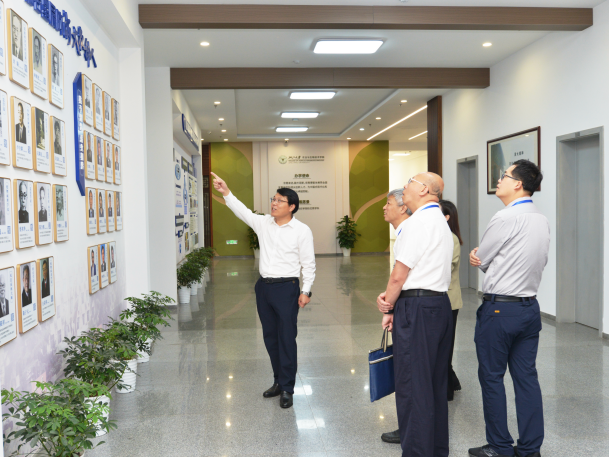
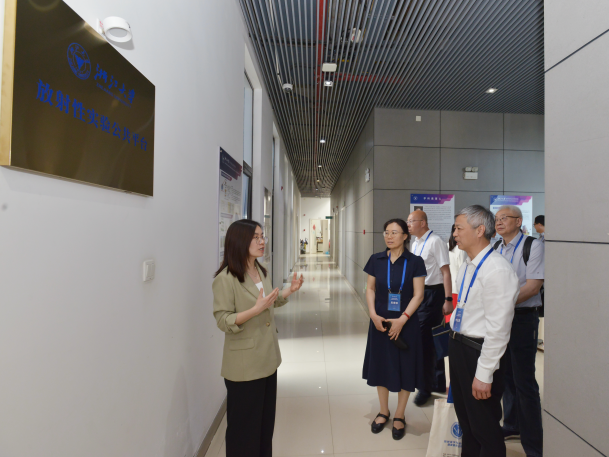
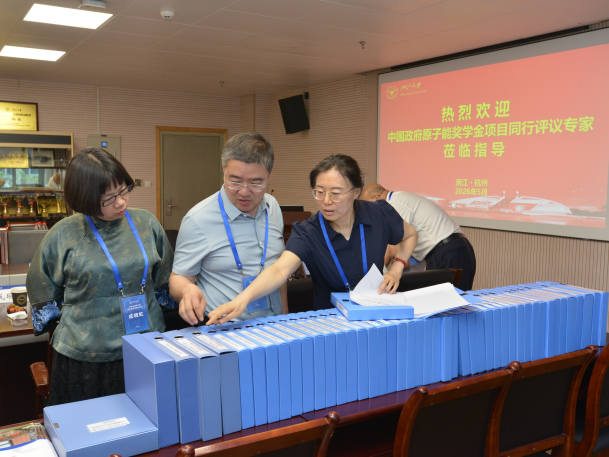
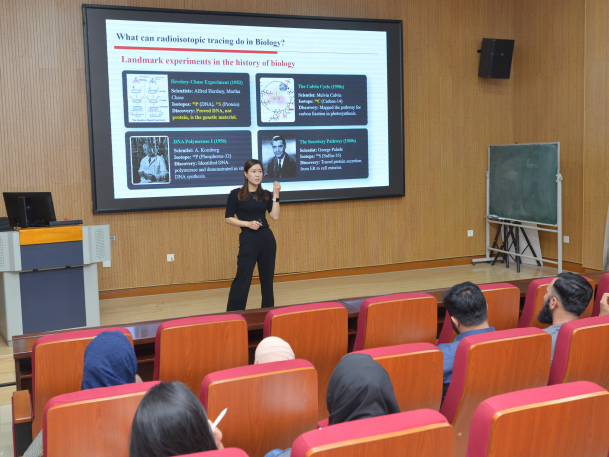
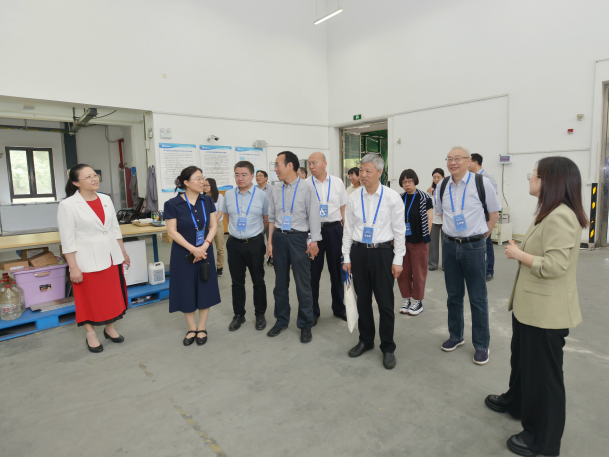
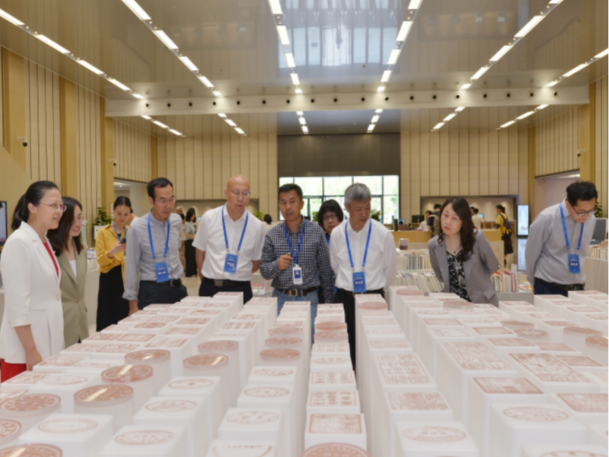
To conduct a comprehensive and objective assessment of the program, the expert panel carried out a systematic evaluation through presentations, interviews, document reviews, classroom observations, and on-site inspections. During the review, the experts observed the course “Biophysical Techniques and Methods,” visited the College of Agriculture and Biotechnology, the electron linear accelerator at the Institute of Nuclear Agricultural Sciences, the Public Platform for Radioactive Experiments, as well as the university library and international student dormitories. They also examined supporting materials covering student recruitment and admissions, academic training, scholarship administration, and other aspects of program management, evaluating the program throughout its entire operation.
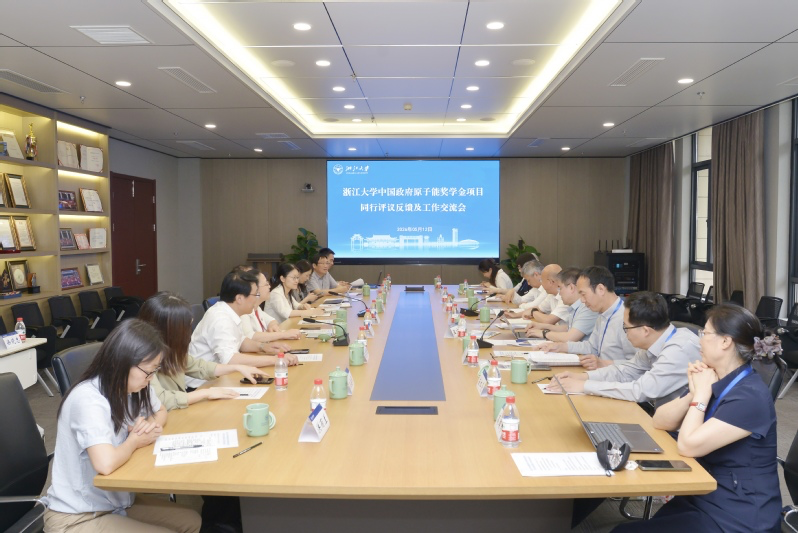
In the afternoon, the review feedback and exchange meeting was held in Conference Room 426 of the International College. Wen Guangrui, deputy leader of the review team and Dean of the International College at Xi'an Jiaotong University, spoke on behalf of the expert panel, fully recognizing the achievements of Zhejiang University's program while offering forward-looking and targeted recommendations for its future development. Shen Lixin, a member of the Expert Committee of the China Nuclear Industry Education Society, also expressed high expectations for the program's continued high-quality development, highlighting the university's long-standing strengths and international reputation in nuclear agriculture. The review team concluded that the program benefits from outstanding disciplinary and faculty strengths, a strong concentration of high-level talent, and effective coordination between centralized administration and academic departments. The experts recommended that Zhejiang University leverage its A+ certification in the Quality Certification for International Students Studying in China and its international influence in nuclear agriculture to strengthen collaboration with universities and industry partners, make full use of platforms such as the International Atomic Energy Agency (IAEA) to pilot innovative initiatives, showcase best practices, and further enhance the program's international impact. Representatives from the relevant university departments responded to the panel's recommendations by outlining their plans for improvement and reaffirming the university's commitment to promoting development through evaluation and pursuing continuous improvement.
The successful convening of this peer review not only constitutes a comprehensive examination of Zhejiang University's cultivation of international talent in the field of nuclear agriculture but also represents a valuable opportunity for the university's international student education to reach a new level. Taking this review as an opportunity, the university will continuously improve the training quality and management service standards of the Atomic Energy Scholarship Program, persistently cultivate outstanding talents in the global nuclear science and technology sector, and make “ZJU Contributions” to the building of a community with a shared future for humanity!


@ Study at ZJU Wechat Subscription
Copyright © 2021International college,
Zhejiang University
Technical Support : hzccx Manage Login
You are the 1000 visitor


