




To further deepen people-to-people exchanges between Chinese and American youth, nearly 30 American faculty members and undergraduate students from the Stanford Center at Peking University (SCPKU) Overseas Studies Program visited Hangzhou for a three-day exchange program from May 8 to 10 at the invitation of the International College of Zhejiang University (ZJU).
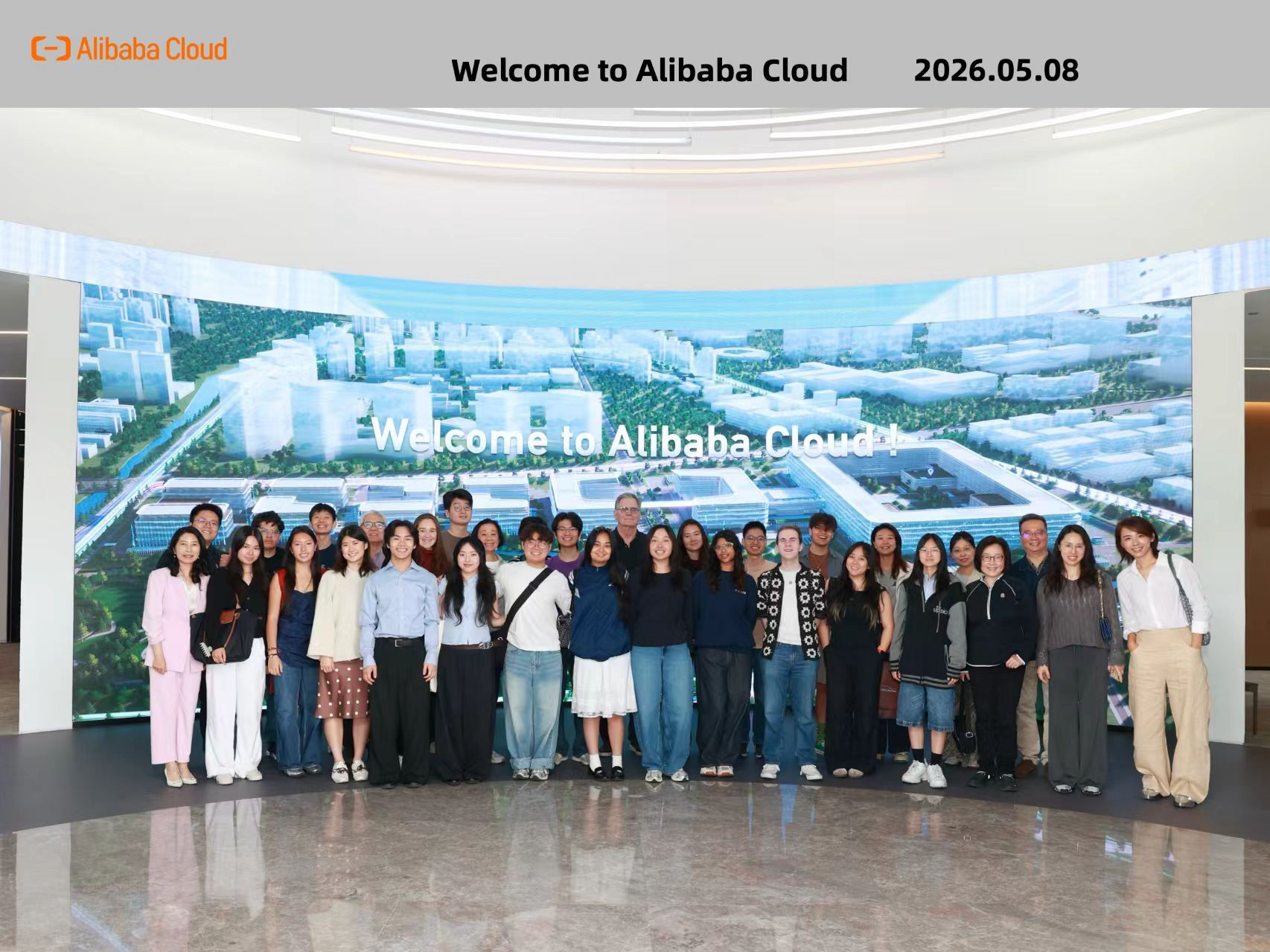
On the first day, the delegation visited Alibaba Cloud Valley Park, where they experienced the capabilities of the Qwen large language model in natural language interaction and multimodal generation. Four young engineers delivered engaging presentations in fluent English, introducing the technical architecture, research and development process, and real-world applications of large language models across various industries. The session featured lively discussions, with participants raising a wide range of questions about artificial intelligence, all of which were answered patiently by the speakers. The exchange concluded with both sides eager for further discussion.
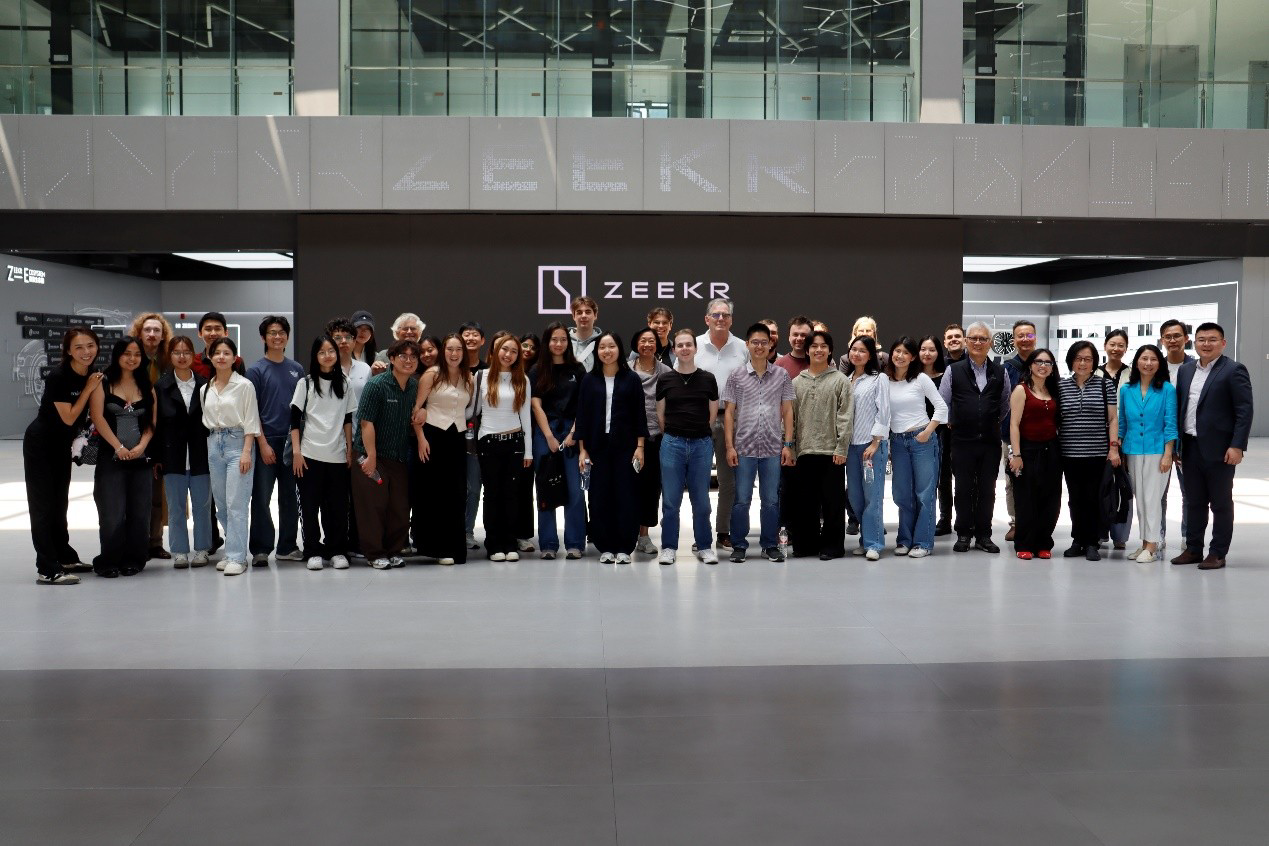
On the second day, the Stanford delegation joined 16 faculty and student representatives from the International College's Chinese Language Program for a visit to the Hangzhou Bay New Area in Ningbo. The group toured the ZEEKR Smart Factory, the ZEEKR Research Institute, and the Geely R&D Innovation Center, where they observed advanced manufacturing technologies such as giga-casting and intelligent assembly, and gained first-hand insight into a highly efficient smart manufacturing system powered by 5G and the industrial internet. During the discussion session, participants exchanged views on intelligent manufacturing, green transformation, and the future of education. Together, the visits to Alibaba Cloud and Geely provided the delegation with a deeper understanding of the Yangtze River Delta's innovation ecosystem.
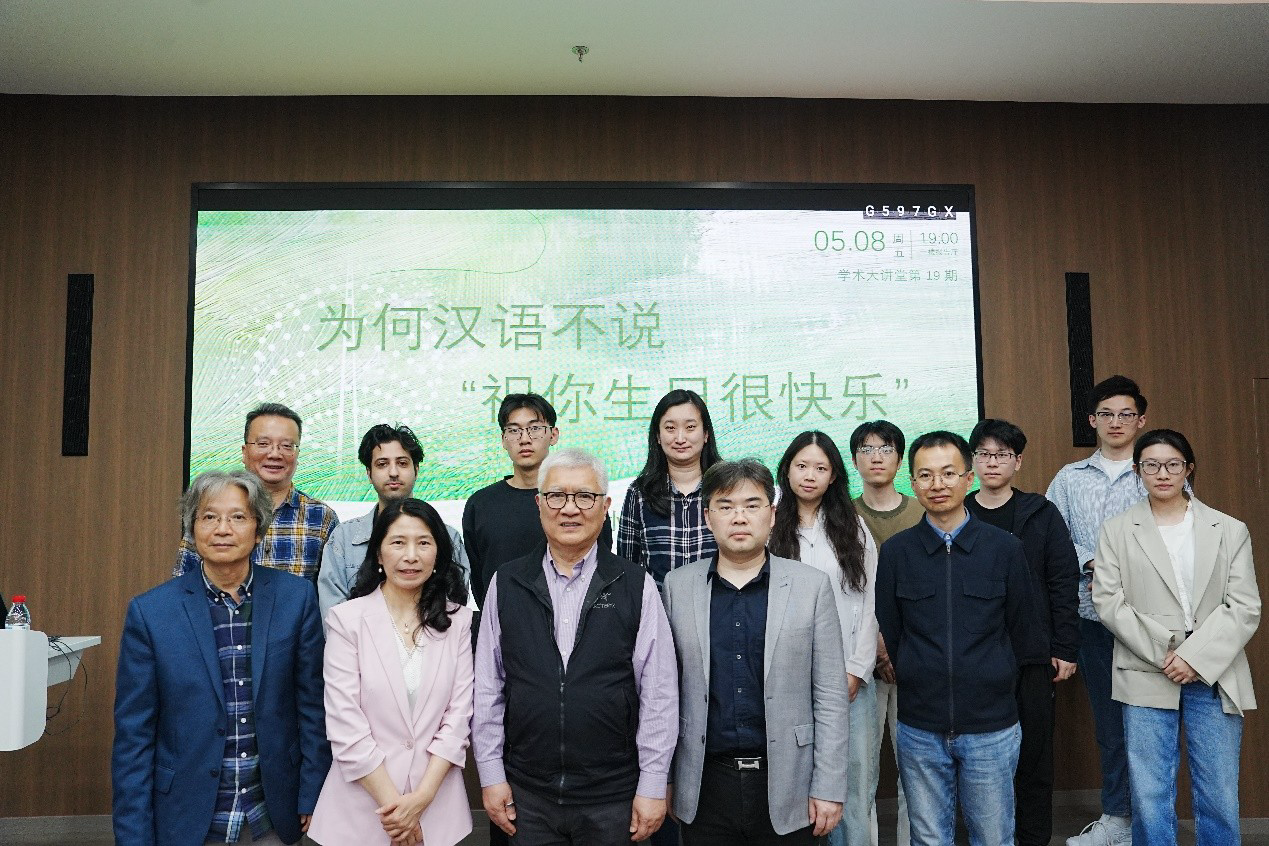
During the visit, Professor Sun Chaofen from Stanford University's Department of East Asian Languages and Cultures also delivered a lecture for ZJU faculty and students entitled Why We Do Not Say “Wish You a Very Happy Birthday” in Chinese?—Gradability of Adjectives and Degree Adverbs, exploring the linguistic characteristics of Chinese adjectives and degree adverbs.
To provide the visitors with an immersive experience of Zhejiang's local culture, the International College arranged a tea culture program on the final day. Stanford faculty and students joined the LabWang research team led by Professor Wang Yuefei, a leading scholar in tea science at Zhejiang University, to discuss how research on tea polyphenols and other bioactive compounds can be translated into practical applications. The participants also stepped into the tea fields to hand-pick fresh tea leaves, experiencing traditional tea harvesting firsthand.
Although the visit lasted only three days, the program was rich in content and featured vibrant academic and cultural exchanges. Through visits to leading technology enterprises, academic lectures, and hands-on cultural experiences, the delegation gained a deeper appreciation of Hangzhou as a city where historical heritage and technological innovation thrive side by side, while experiencing the vitality of China's scientific, technological, and social development.
Text: XU Xiaohang
Photos: ICSNMC


@ Study at ZJU Wechat Subscription
Copyright © 2021International college,
Zhejiang University
Technical Support : hzccx Manage Login
You are the 1000 visitor


